
Commercial services
Native, Pollinator & Rain Gardens
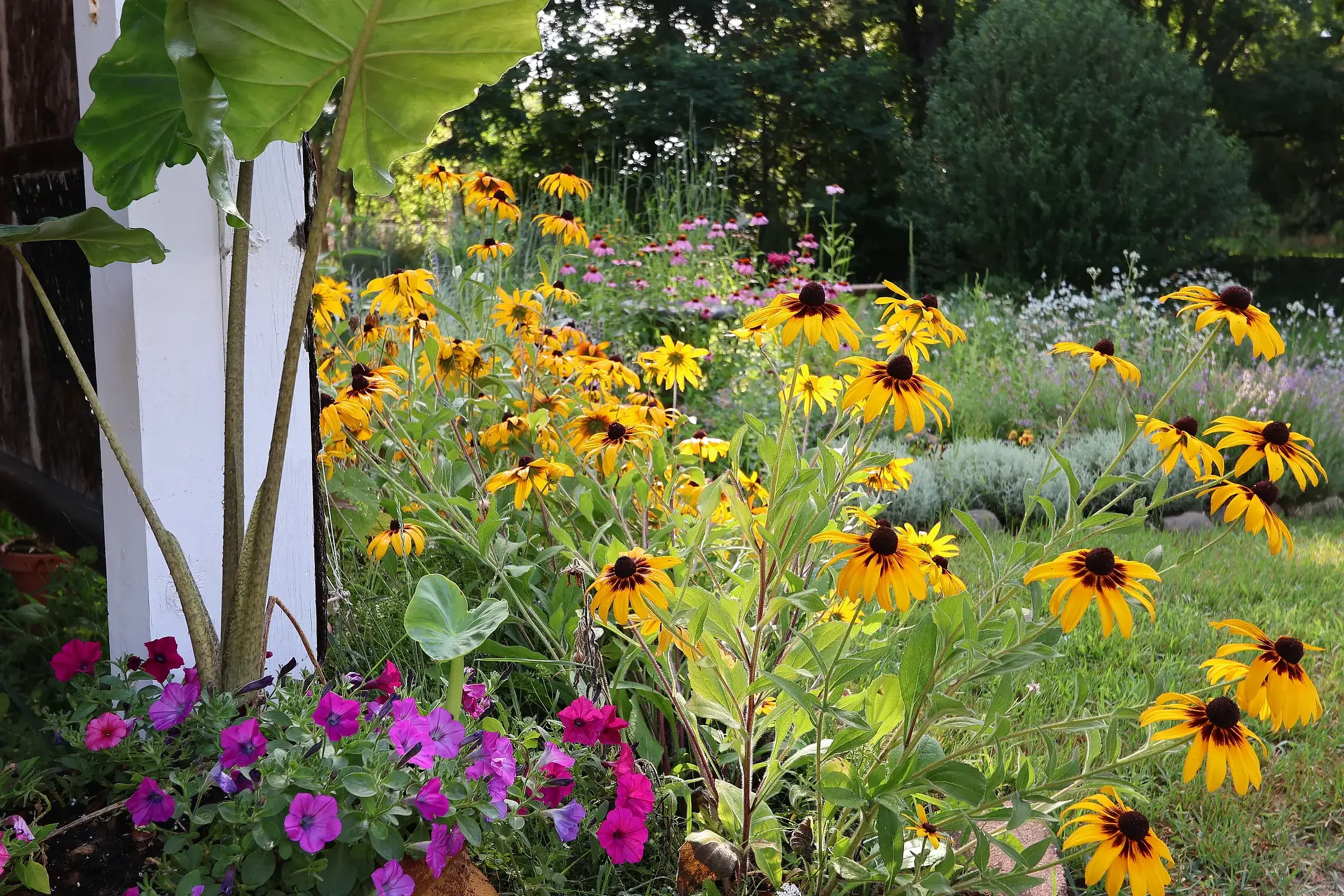
Lawn turned into native and pollinator plantings, and rain gardens that soak up runoff: lower upkeep, habitat and stormwater handled on site.
What's included
- Lawn-to-native conversion plans
- Pollinator plantings for bees, butterflies and birds
- Rain gardens sized for the roof or lot that drains to them
- Native plants suited to Southwest Michigan soils
- Clean edges and layouts that look intentional, not overgrown
- Establishment care through the first seasons
Ideal for
- Office and corporate campuses
- Schools, churches and nonprofits
- Townships and parks
- Properties with wet spots or runoff
How it works
From first visit to finished planting
-
Read the site
We look at soil, sun and where water goes when it rains.
-
Design
A native planting plan or rain garden design sized for your site, with a plant list and quantities.
-
Plant and establish
Our team plants, then cares for it through the first seasons while the roots go deep.
Sarah and her team have helped us both with a landscape design and installation project at a commercial rental property and with residential projects at our house. They are great with response times, organization and they just love all things plants. Really rewarding to work with.
Questions
About native, pollinator & rain gardens
How much can a native planting save over lawn?
One study of native landscaping put the savings at $3,950–$4,683 per acre a year over ten years, from less mowing, watering and fertilizer. Savings start small while plants establish and grow from about the third year.
Will it look messy?
Not when it's designed. We use mown edges, clear borders and plants in groups so a native planting reads as a garden.
Do rain gardens work in clay soil?
Yes. In a USGS study in Madison, Wisconsin, a prairie-planted rain garden in clay held every event over four years, and soaked water in about three times faster than one planted with turf.
More for businesses
Other commercial services
-
Commercial Landscape Design & Installation
A planting plan for your property, and our team to put it in: soil, plants and mulch, start to finish. Plants only, no hardscape.
Learn more -
Seasonal Display Programs
Entrance containers, window boxes and planters replanted for every season, so your front door always looks cared for.
Learn more -
Commercial Garden Care
Regular visits to weed, edit, deadhead, divide and keep your plantings healthy, by people who know the plants.
Learn more
Plan your project
Tell me about your property
A few quick questions, and I'll come back within 1–2 business days with ideas, next steps and a rough budget.